
The Illusion of Competence
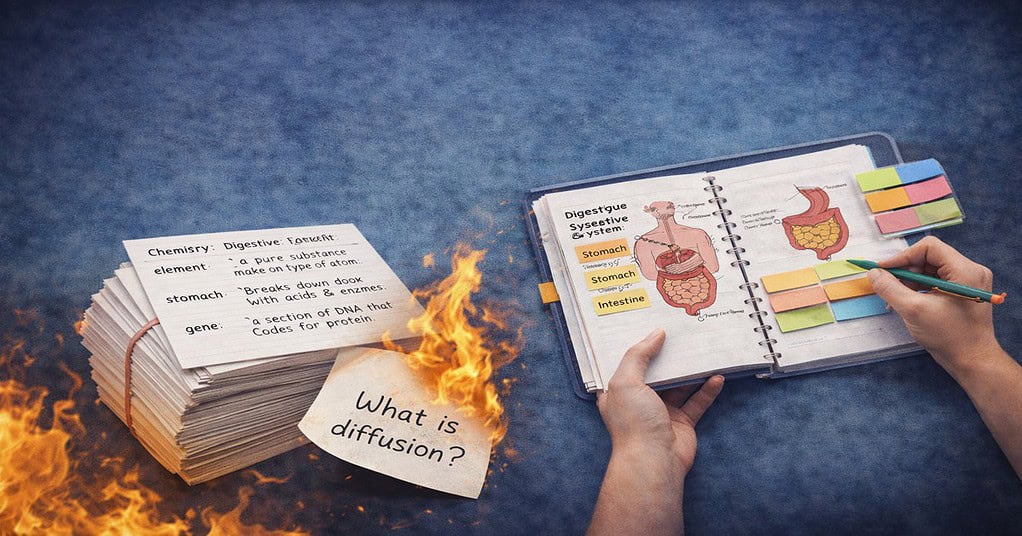
The ATI TEAS 7 Science section tests critical thinking and systemic application, not just rote memorization. Using flashcards to memorize anatomical vocabulary is one of the worst study methods because it isolates information. To pass the TEAS, you must understand how different bodily systems interact and respond to physiological stress, which requires visual mapping and conceptual understanding rather than simple word recall.
Please, put down the massive stack of 500 index cards.
If you are trying to memorize Anatomy and Physiology vocabulary like you are studying for a middle school spelling test, you are preparing for the entirely wrong exam. The “flashcard method” creates a dangerous psychological trap called the Illusion of Competence. You flip through your deck, get the definitions right, and feel completely prepared—until you sit down for the actual TEAS 7 and realize every single question requires multi-step logic.
Let’s break down exactly why relying on flashcards is destroying your science score and what you need to do instead.
Recall vs. Application: The TEAS Trap
The biggest mistake students make is confusing Recall with Application.
The Flashcard Way (Recall): Your flashcard asks: “What does the mitochondria do?” You proudly answer: “It is the powerhouse of the cell.” The TEAS Way (Application): The TEAS does not care if you know the textbook definition. Instead, the exam will ask: “A neurotoxin destroys the mitochondria in muscle tissue. Which cellular process will fail first?”
If you only memorized the word “powerhouse,” you will freeze. To answer the TEAS question, you have to actually understand that the mitochondria produces ATP (energy), and without ATP, the muscle tissue cannot contract. That requires critical thinking, not a flashcard.
The Danger of Isolated Facts
The human body does not operate in isolated, alphabetical flashcards. Every single organ and system is deeply interconnected.
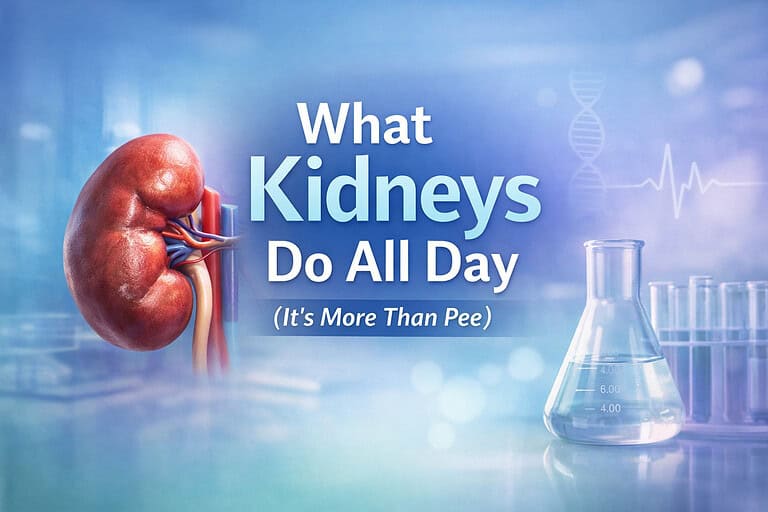
If the cardiovascular system fails, the respiratory and renal systems are immediately forced to compensate. Flashcards build massive mental walls between these concepts. They train your brain to view the heart and the lungs as completely separate topics. The TEAS, however, wants you to build bridges. You will be tested heavily on how one system’s failure creates a domino effect across the rest of the body.
The Nurse Cheung Strategy: Visual & Systemic Learning
To conquer the Science section, we have to completely change how your brain processes the information. Here are the two strategies you must switch to today:
1. Flowcharts and Visual Maps Stop writing definitions on the back of cards. Start drawing flowcharts. For example, instead of making ten different flashcards for the parts of the heart, draw a giant map of the actual, physical path a single drop of blood takes as it moves through the heart, into the lungs for oxygen, and back out to the body. When you visualize the system in motion, the anatomy naturally sticks in your brain.
2. The “Teach-Back” Method If you cannot explain a biological process out loud to a 5-year-old, you do not actually understand it. Close your textbook, stand up, and try to teach the digestive system to an empty room. If you find yourself stumbling, stuttering, or relying on big confusing vocabulary words, that is your weak spot. Go back and review that specific concept until you can explain it simply.
Train Your Brain to Think Like a Nurse
Stop trying to memorize 10,000 isolated vocabulary words. You need to see how the physiological systems connect to survive this exam.
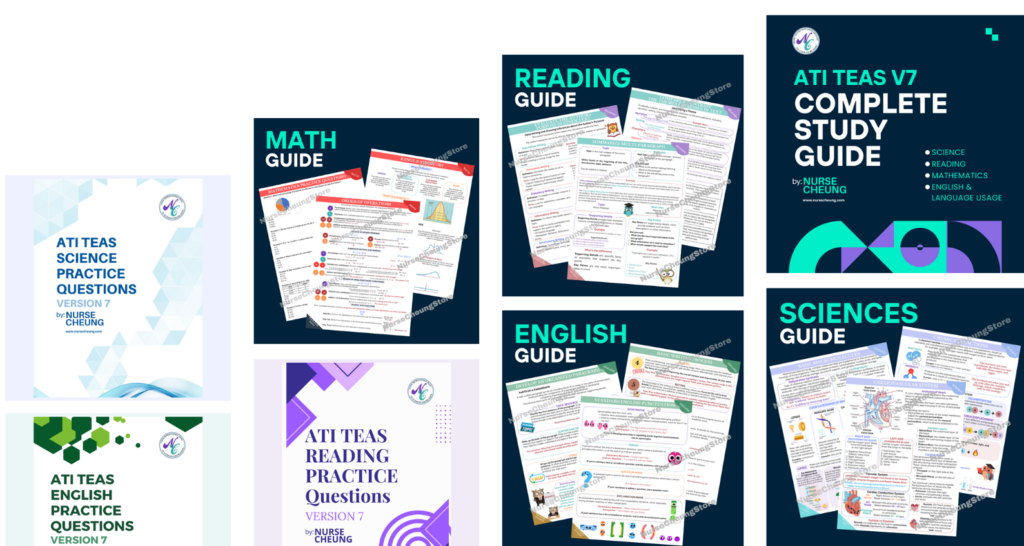
Ditch the flashcards and get the beautifully illustrated, systemic visual breakdowns inside our Complete TEAS 7 Study Guide. We strip away the text-heavy textbook fluff and give you the exact visual maps you need.
And when you are ready to apply this exact critical thinking to real patients in nursing school, join our 6-week Nursing School Bootcamp: Live Series Roadmap. We run dedicated cohorts focused on Clinical Prep, Simulation Labs, and decoding the NCLEX to teach you how to think like a safe, highly critical nurse, not a robot reciting definitions! Click below to see when our next live cohort officially kicks off.