
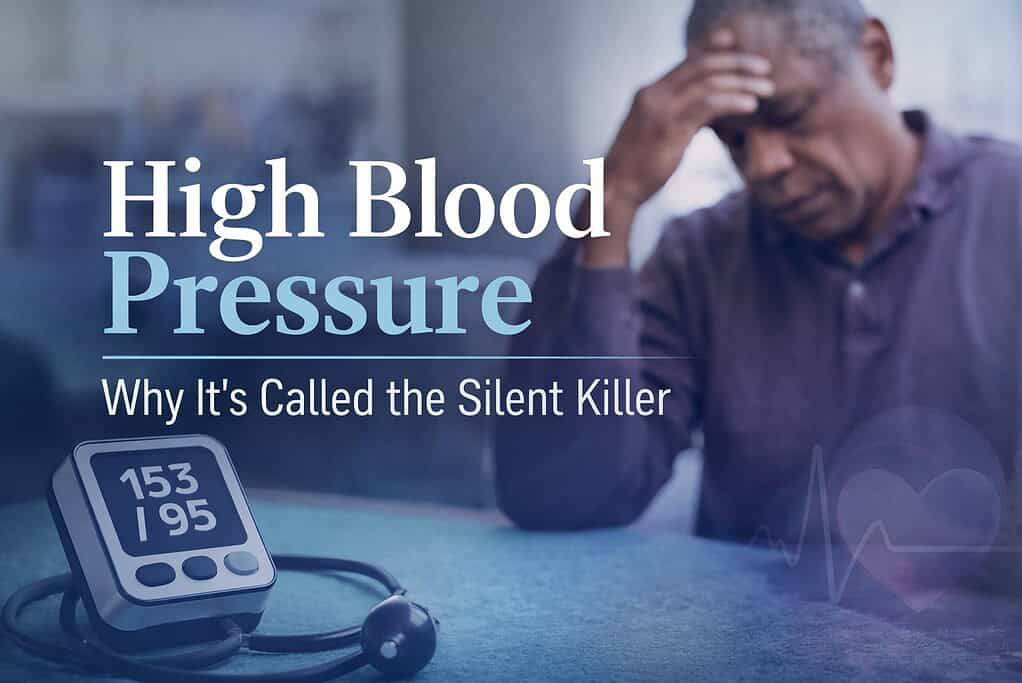

High blood pressure doesn’t scream for attention. It doesn’t always cause pain, dizziness, or dramatic warning signs. Instead, it works quietly in the background—damaging blood vessels, straining the heart, and increasing the risk of life-threatening conditions long before symptoms appear. That’s exactly why it has earned the nickname “the silent killer.”
Millions of people walk around every day with dangerously high blood pressure and have no idea. According to the Centers for Disease Control and Prevention, nearly half of adults in the United States have hypertension, yet many are undiagnosed or inadequately treated. Understanding what high blood pressure is, why it’s so dangerous, and how to manage it early can literally save lives.
This article breaks down everything you need to know about high blood pressure in clear, practical language—without medical jargon overload. Whether you’re protecting your own health, caring for a loved one, or building your healthcare knowledge, this guide will give you the tools to take blood pressure seriously before it becomes a crisis.
What Is High Blood Pressure?
Blood pressure is the force of blood pushing against the walls of your arteries as your heart pumps. It’s measured using two numbers:
Systolic pressure (the top number): the pressure when your heart beats
Diastolic pressure (the bottom number): the pressure when your heart rests between beats
A normal blood pressure reading is typically below 120/80 mmHg.
High blood pressure—also called hypertension—occurs when that force stays consistently too high. Over time, this constant pressure damages blood vessels and organs throughout the body.
Blood pressure categories generally include:
Normal: below 120/80
Elevated: systolic 120–129, diastolic less than 80
Stage 1 hypertension: systolic 130–139 or diastolic 80–89
Stage 2 hypertension: systolic 140 or higher or diastolic 90 or higher
The danger lies in the word “consistently.” One high reading doesn’t equal hypertension—but repeated elevated readings over time absolutely do.
Why High Blood Pressure Is So Dangerous
The reason high blood pressure is called the silent killer is simple: most people feel completely fine until serious damage has already occurred.
Hypertension slowly injures the lining of arteries, making them stiff, narrow, and more prone to plaque buildup. This reduces blood flow and oxygen delivery to vital organs.
Over time, uncontrolled high blood pressure can lead to:
Heart disease and heart failure
Stroke
Kidney disease or kidney failure
Vision loss
Sexual dysfunction
Cognitive decline and dementia
Because these complications develop gradually, people often don’t connect them to blood pressure until it’s too late.
The Heart Under Pressure
Your heart is one of the first organs affected by hypertension. When blood pressure is high, the heart has to work harder to pump blood against increased resistance. Over time, this extra workload causes the heart muscle—especially the left ventricle—to thicken.
A thickened heart may sound strong, but it’s actually less efficient. It can’t relax properly, fill with blood, or pump effectively. This raises the risk of:
Heart attacks
Irregular heart rhythms
Heart failure
Many people discover they have long-standing hypertension only after a cardiac event. That’s why early detection is critical.
High Blood Pressure and Stroke Risk
The brain is extremely sensitive to changes in blood flow. Hypertension increases the risk of both major types of stroke:
Ischemic stroke, caused by blocked blood vessels
Hemorrhagic stroke, caused by ruptured blood vessels
Weakened arteries in the brain are more likely to burst under pressure, leading to bleeding in the brain. Even moderate elevations in blood pressure significantly raise stroke risk over time.
Stroke can result in permanent disability, loss of speech, paralysis, or death—yet many strokes are preventable with proper blood pressure control.
Kidney Damage: The Hidden Consequence
Your kidneys act as filters, removing waste and excess fluid from the blood. High blood pressure damages the tiny blood vessels inside the kidneys, reducing their ability to function properly.
This creates a dangerous cycle: damaged kidneys regulate blood pressure poorly, which further increases hypertension. Eventually, this can lead to chronic kidney disease or the need for dialysis.
Many patients with kidney failure had no idea their blood pressure was damaging their kidneys until significant loss of function had already occurred.
Vision Loss and Blood Pressure
The eyes contain extremely delicate blood vessels. High blood pressure can damage these vessels, leading to a condition known as hypertensive retinopathy.
Symptoms may include:
Blurred vision
Vision loss
Headaches associated with eye strain
In severe cases, hypertension can cause permanent vision damage or blindness. Routine eye exams sometimes detect blood pressure problems before other symptoms appear.
Why Most People Don’t Know They Have It
One of the most dangerous aspects of hypertension is that it rarely causes noticeable symptoms. Some people may experience headaches, fatigue, or dizziness, but these are not reliable indicators.
You cannot feel your blood pressure rising. The only way to know your numbers is to measure them.
This is why routine blood pressure checks—at doctor visits, pharmacies, or at home—are essential even if you feel perfectly healthy.
Risk Factors You Shouldn’t Ignore
Several factors increase the risk of developing high blood pressure:
Family history of hypertension
Poor diet high in sodium and processed foods
Physical inactivity
Obesity or excess abdominal weight
Smoking or vaping
Excessive alcohol intake
Chronic stress
Diabetes or kidney disease
Aging
Some risk factors are beyond your control, but many are modifiable. Addressing them early makes a meaningful difference.
How High Blood Pressure Is Diagnosed
Hypertension is diagnosed through repeated blood pressure measurements over time. A single high reading doesn’t confirm the diagnosis, but consistent elevations do.
Doctors may use:
Office blood pressure readings
Home blood pressure monitoring
Ambulatory blood pressure monitoring (24-hour readings)
Accurate measurement matters. Proper cuff size, correct positioning, and resting before measurement all affect results.
Managing and Preventing High Blood Pressure
The good news is that high blood pressure is highly manageable, especially when caught early.
Lifestyle changes are often the first line of defense and can dramatically lower blood pressure:
Eating a balanced diet rich in fruits, vegetables, lean protein, and whole grains
Reducing sodium intake
Engaging in regular physical activity
Maintaining a healthy weight
Managing stress through mindfulness, sleep, and relaxation techniques
Avoiding tobacco and limiting alcohol
When lifestyle changes aren’t enough, medications may be prescribed. These medications are safe, effective, and often lifesaving when taken as directed.
Why Blood Pressure Awareness Saves Lives
Hypertension doesn’t need to be dramatic to be deadly. Its danger lies in its silence, its patience, and its ability to cause irreversible damage over time.
Knowing your blood pressure numbers—and understanding what they mean—puts control back in your hands. Early detection, consistent monitoring, and proactive management can prevent heart attacks, strokes, kidney failure, and vision loss.
High blood pressure may be silent, but ignoring it doesn’t make it harmless.
Final Thoughts
High blood pressure doesn’t announce itself. It doesn’t demand attention. But its impact is profound and far-reaching.
The most powerful step you can take is awareness. Check your blood pressure regularly. Learn your risk factors. Take lifestyle changes seriously. Follow treatment plans if prescribed.
Preventing the silent killer starts with listening—before it ever has the chance to speak.